By Hiro Yoshida
In June Piper Gilles and Paul Poirier announced their decision to sit out the upcoming season’s ISU Grand Prix of Figure Skating. It will come as no surprise to anyone who followed their rollercoaster 2025-2026 to understand why the Canadians are now taking a break to reflect on what they accomplished.
“I feel like a weight has been lifted off our shoulders with the success of the Olympic Games,” Gilles said.
“There’s a really nice sense of peace and a lot of the things that we were carrying we don’t have to carry now,” Poirier added.
Now that the Canadians have those Olympic medals in their pockets it is easy to forget in the run up to Milano Cortina they were very much in the position of underdogs to finish on the podium. After finishing fourth at last December’s Grand Prix Final, Gilles and Poirier felt intense pressure and experienced moments of self-doubt in the weeks before they arrived in Italy.
“I think the lead up to the Games was really stressful because every day you’re training,” Poirier said. “You’re trying to make the best choices, and you have to question everything that you’re doing all the time, and you have to ask yourself, ‘Am I doing the right thing? Is this the right choice? Is this the right movement? Can I make it better?’ You can drive yourself crazy doing that all the time. Especially after having a disappointing Grand Prix Final, we really had to decide, how do we want to approach this? How do we want to attack what’s working and what’s not working? That time was the hardest of the entire season, more than the actual competition itself.”
“I would say that was a very difficult competition to return home to after,” Gilles said about their Grand Prix Final result. “We felt a little lost as to what we needed to do to turn this whole season around again because that was the last international competition that we had before the Olympic Games. Paul and I, we had the goal in mind of getting on the Olympic podium. We felt like we were going in the right direction. We made a lot of changes between Skate Canada to Finland and then Finland to the Grand Prix Final and we felt like we were making strides to that. To have that kind of doubt about what we were trying to accomplish was really difficult.”
With a limited amount of time left, Gilles and Poirier had to make a reset fast to be ready for the Canadian National Figure Skating Championships in the New Year. They rapidly turned the disappointment of the Grand Prix Final into motivation to have the best possible showing in Gatineau, Quebec to bag a fifth national title.
“We’re very lucky to have great coaches that are able to rein us in when difficult moments like that come up,” Gilles said. “They choose to focus on our positives, on what we were doing right and how much more can we try to push ourselves to keep that goal in mind. It was really nice to return home and be motivated. We really didn’t take much time off after the Grand Prix Final. We knew we had a lot of changes to make to the free dance, especially before the national championships. It was our big goal to show up at the national championships and feel like we were on fire. We wanted to feel like we had something to prove, even though we had to compete against ourselves really. We had great teammates to compete against, but we were competing against ourselves in that moment. I think that allowed us to prepare, especially going into the Olympic Games. We just kind of chose to push that competition to the side and make our own destiny.”
With nationals out of the way, the focus for the Canadians was now solely on the Olympics. However, as the leading medal hopes in figure skating the Canadian team there were outside intrusions to their normal routine of practice and competition that Gilles and Poirier found challenging as they geared up for the most important moment of their careers.
“We enjoy the process,” Poirier said. “We like training. We like figuring out how to make things better. Of course, when the stakes are as high as the Olympic Games, obviously there’s an intensity that comes with it and, on top of getting ready for the Olympics, you’re trying to balance people’s expectations. People want to send you off. You have obligations with sponsors. We had the (Netflix) documentary that was coming out the day we were leaving. There’s all of these possible distractions that are present all the time as you’re getting ready to go in the moment where you’re trying to protect yourself the most as well, because you have something really important coming up.”
Having been through the same procedure twice before for the PyeongChang and Beijing Olympics, they had the advantage of knowing what was in store.
“I think that’s one moment where our experience of having done this before really helped us as we know what to expect in an Olympic season and what that’s going to look like,” Poirier added.
What their previous Olympic experiences did not prepare them for was the prospect of competing back-to-back in the team and individual events with just two days between the end of the former and the start of the latter. While the choice not to compete in the free dance segment of the team event was tough for Gilles and Poirier, they opted to recuperate before participating in the individual event.
“By the time we got to the Olympic Games because of all the extra obligations that we had to do, we were quite tired,” Gilles said. “The rhythm dance felt like it was work. We skated just fine, but we felt so tired. I think we were quite nervous, especially since the Canadian team were doing so well after the shorts. We felt this immense pressure to skate the free dance, to potentially try to help Canada get a medal. We had to make the difficult decision the night before, whether we were going to do the free or not. There was this heaviness between maybe sacrificing not allowing the team to get a medal if Paul and I don’t skate the free and everybody skates really well, but then we sacrifice not skating well for the individual. Probably the most difficult decision that we’ve ever had to make at an Olympic Games was to not do the free dance. That was the best thing that we did because we had a day off after and we felt like we really needed it. We were quite exhausted, so it was nice to be able to regroup, reset, and return to the rhythm dance with a lot more fire that we had because we were determined to make sure that we were getting our levels. You have to remember everything works out the way it should be, if you believe in that, and it did for us.”
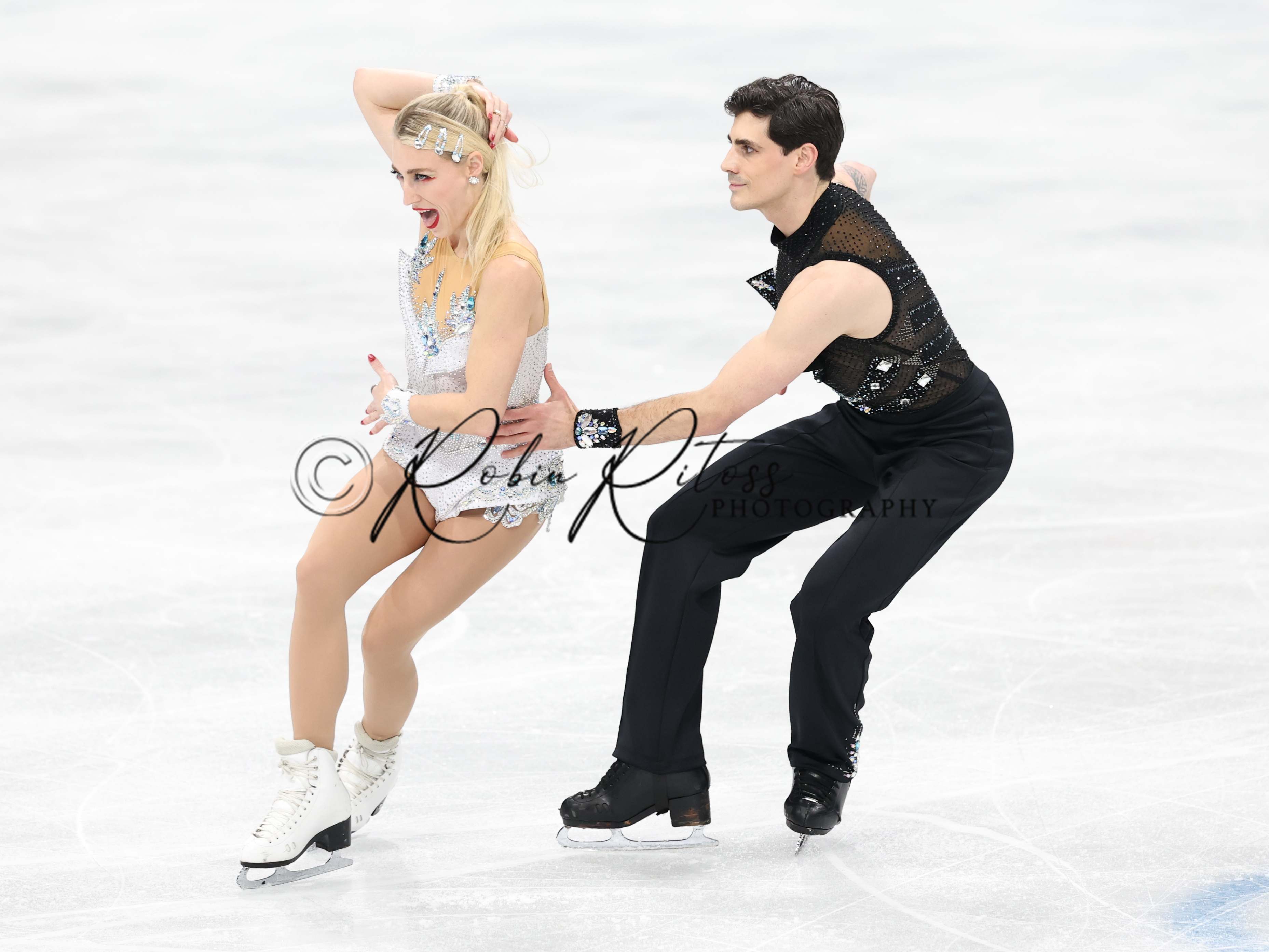
“Something we really learned through the last Olympic season was we really had to constantly choose to trust our own vision for ourselves and not get too distracted at each competition,” Poirier said. “You get so much feedback. That feedback can be helpful, but it can also dilute your own vision for yourself. We had to be really clear and discerning about what feedback we wanted to target and which feedback we would put aside.”
The Canadians finished fourth in the team event behind the three teams that had beaten them at the Grand Prix Final. Opting not to do the team event free dance also allowed them to see where they had lost marks so they could correct for the individual competition.
“Sometimes you can overanalyse these things and get distracted from working on the things that are more important,” Poirier said. “We didn’t get the best levels in the rhythm dance in the team event, but I actually think that really allowed us to focus during the few days of training in between. There were some turns, especially in the steps, that we didn’t feel were delivered as well as they could have been. I think having that feedback from that event and looking at the score sheet really allowed us to figure out where we needed to focus in that programme and where we needed to make adjustments. That really paid off in the individual event because the levels were there for that event when it really mattered.”
The ability to have some light-hearted moments with their coaching team helped eased the tension at the event.
“Our coach and our athletic therapist were staying at the hotel across the street from the venue,” Gilles said. “Paul and I were lucky enough to be able to go over there and steal their rooms and relax for the hour and a half that we had between practice sessions. One of the moments that stood out to me was the session before the free dance. We had been joking all week about ‘The Sound of Music’, and that day we had just been singing songs from ‘The Sound of Music’. You can really just get so caught up in the nerves that you’re not really taking in the human part of this. For us, singing some stuff from ‘The Sound of Music’, humanised the whole moment and allowed us to be present and be funny and be truly ourselves. It allowed us to be so at peace when we went to go skate because we thought, ‘We’re going to skate like we are at home. We’re with our people, the people that love us and trust us and we trust them.’ I think that created such a relaxed space.
Gilles and Poirier found themselves in third after the individual event rhythm dance which was exactly the position they were in going into the free dance at the Grand Prix Final. While they were anxious about history repeating itself, they tried their best to concentrate on putting out the best performance of their lives.
“I felt scared, especially going into the free,” Gilles said. “I had to really hyper focus and try to make sure that the body and the mind were ready to go because we felt like we skated so well at the Grand Prix Final too and it didn’t go in our favour. It felt like we could not get cocky in any way. We had to really choose to keep that same mindset that we went into with the rhythm dance and just be on fire. We were so hyper focused in every step, in every moment of the programme that I don’t remember a lot of these programmes at all. None of them. There’s two parts where I kind of came out and then came back in. We were so invested, and it paid off.”
As Gilles and Poirier stood on the ice waiting for their turn to skate their individual Olympic free dance, they were purposefully unaware at that point exactly what they needed to do to maintain a place for themselves on the podium.
“We try as much as possible not to pay attention while we’re backstage waiting,” Poirier explained. “We really have no idea what’s happening in the event. Of course, because Lilah (Fear) and Lewis (Gibson) skated right before us, we were on the ice when their scores were announced. That was the only really information we had. In that moment, we’re so close to performing that I think we’re so focused on our own job that it doesn’t fully register because the moment the scores are done, they’re calling our names. We find that setup works best for us when we know as little as possible. That way we’re really focusing on our own performance and the mood that we want to create with our programme and not thinking about how we’re stacking up against our competitors.”
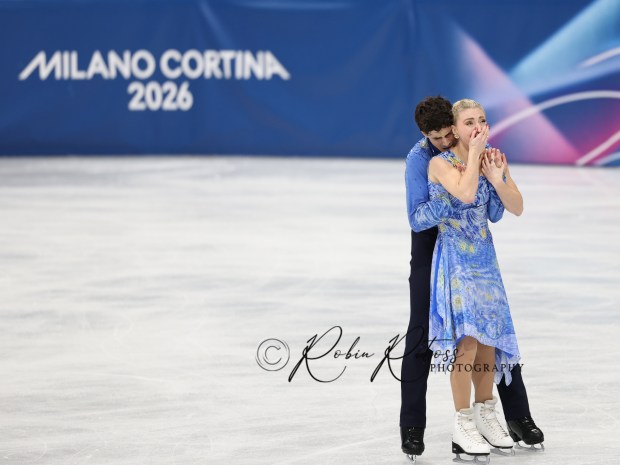
“In those moments, I think it’s really important to remind yourself of what you’ve accomplished,” Gilles said. “We had a nice talk with our coach beforehand. He said, ‘You guys are ready. Just skate the programme.’ And that’s really what we did. We didn’t overthink the moment. We skated like we did at home. That was really what we wanted to do and for it to happen in that way was so special. I think that’s why we got so emotional because it was exactly how we trained it at home every single day. There was not anything wrong with that programme. Obviously, it was elevated emotionally because we had a crowd to play off of, but we truly felt like ourselves and what a unique way to be able to kind of represent yourself at an Olympic Games.”
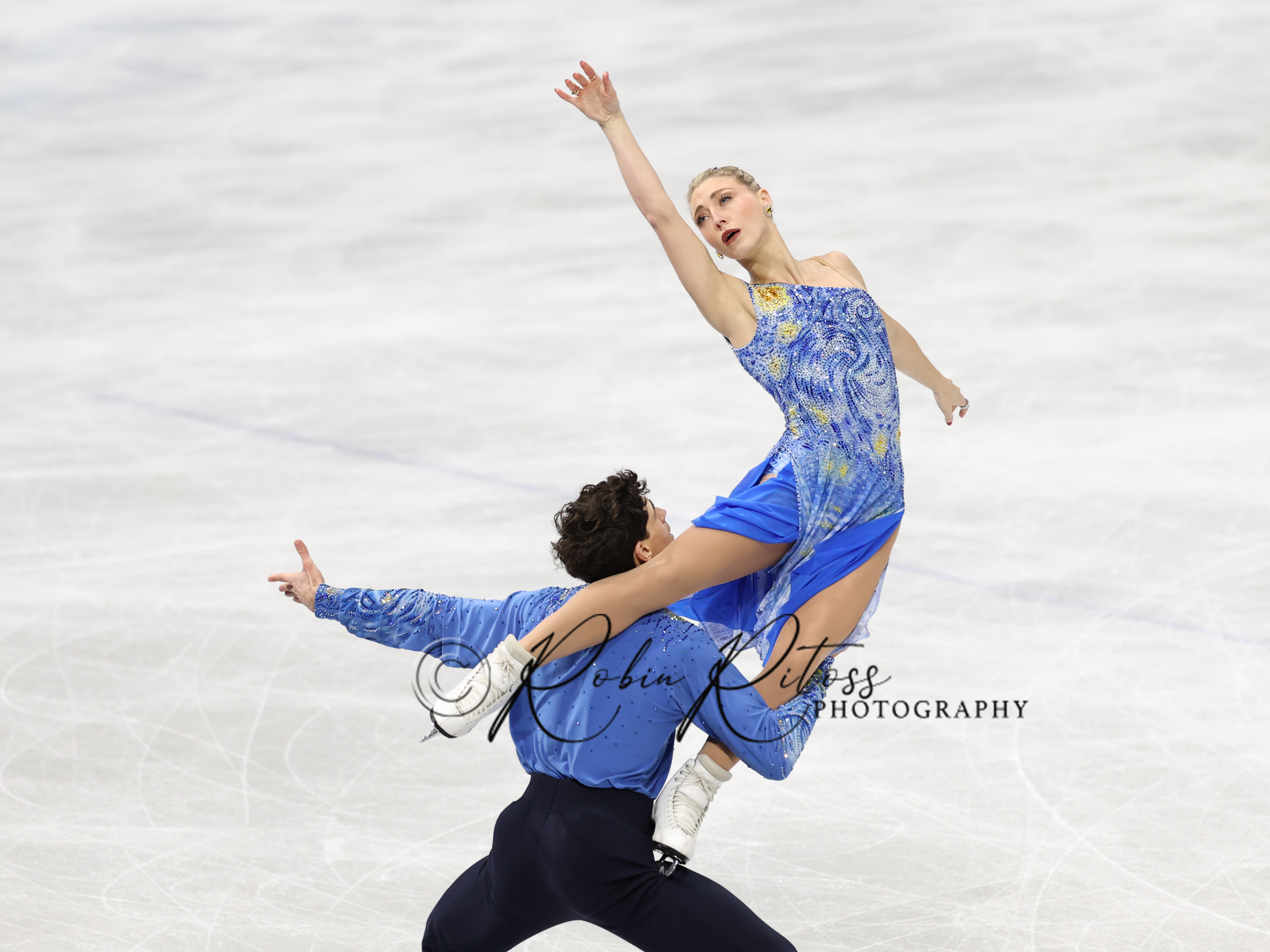
Not only putting down the skate of their lives at the Olympics, but then also attaining their goal of an Olympic medal was the fulfillment of a lifelong ambition for the Canadians.
“It was a great moment, but I think the emotion was so raw that it’s not necessarily something I can describe,” Poirier said. “It was just a big swell of emotions.
“We knew if we wanted to be on the podium, it would require from us a skate that really deserved to be on the podium, and we had done that. I think we were just able to just celebrate that special moment. Standing on the podium was the culmination of all of that and we just also connected with all of the people that helped us get there.”
“Paul and I were in our own world,” Gilles said. “We were in our happy bubble. Literally nothing else mattered. We were chatting about how we were going to take our first Olympic photo. Were we going to jump on the podium? Then it didn’t work because we were jumping at different times. It was just so funny and it was so Piper and Paul because we are always in our own world the majority of the time.
“It just felt like we were on top of the podium and that’s no disrespect to the other two teams, but we were just so in our own world. We just knew what it took to get there and it really didn’t matter what colour at that point. We had a medal around our necks and that’s the dream that we had always dreamed of as kids.”
The past two Olympic cycles have been dominated by teams training at the Ice Academy of Montreal. In Milan, seven of the top ten positions were filled by competitors affiliated to the academy including the French and Americans who finished ahead of Gilles and Poirier. The Canadians and Charlène Guignard and Marco Fabbri of Italy were the only two teams able to seriously challenge for championship titles between Beijing 2022 and Milano Cortina 2026. Guignard and Fabbri bagged a Team Event bronze medal in Milan. Gilles and Poirier believes their success is proof that you can also contend globally even though you may train in a smaller group.
“They come from a very similar coaching situation,” Gilles said of the Italians. “We’re what Carol (Lane) calls a boutique camp. I think we respect them because we know how much harder that is to come from a small camp to be on the world stage. We know how much more you have to work and I think we’ve always just been drawn to them for that aspect. It’s like us against the world. We show other camps that it’s possible to be successful. You don’t have to go to the biggest camp in the world. You can still have a small camp and be successful. That’s something that Charlène and Marco and Paul and I truly represent as well.”
After winning their Olympic medal, Gilles and Poirier were uncertain as to whether they wanted to end their season immediately or continue on the World Championships in Prague, Czechia the following month. The duo deliberated for a few days after returning from Italy before making the decision take on their 13th Worlds as a team, but with an unexpected twist.
“We had to say yes to Worlds because Paul and I felt at the Olympic Games we weren’t in the right mind frame to fully decide or know whether Worlds was the right thing for us,” Gilles said. “We came home and wanted to have a full conversation with our coaches and allow ourselves to settle for a few days.
“Our coach, Carol (Lane), had mentioned, ‘I think you guys did ‘Vincent’ so well. It would be such a pity for you to try to recreate a moment like that.’ The two of us agreed. We wanted to leave that programme out on Olympic ice and in order to do the World Championships, we needed another programme. At first ‘Wuthering Heights’ was absolutely not an option. I even brought up doing ‘Evita’ because we like that programme. When we needed to make the decision, Paul and I sat down and watched all the programmes from the past quad. We watched ‘Tango first’ and then watched ‘Evita’ and then eventually watched ‘Wuthering Heights’. I think ‘Wuthering Heights’ intrigued us the most to do again. We allowed ourselves another day to figure it out, see if things were coming back and we made the decision that following Friday. If we couldn’t do a free dance by then, we had to make a decision. We were able to do a free dance and it was a fun challenge. Things just magically came back way faster than we thought it could, which was fun.
“Once Paul and I made the decision of changing the free, it allowed us to have something to work towards and we also knew we had to choreograph a show programme. Every day we came into the rink, it gave us purpose and a reason to skate and to celebrate. It wasn’t that we knew the moment we got off the podium that we were going to Worlds, but I’m glad that we allowed ourselves to truly feel the right decision for us and eventually going to Worlds was the right decision.”
The Canadians kept the announcement that were going to revive their “Wuthering Heights” free under wraps until the week of Worlds.
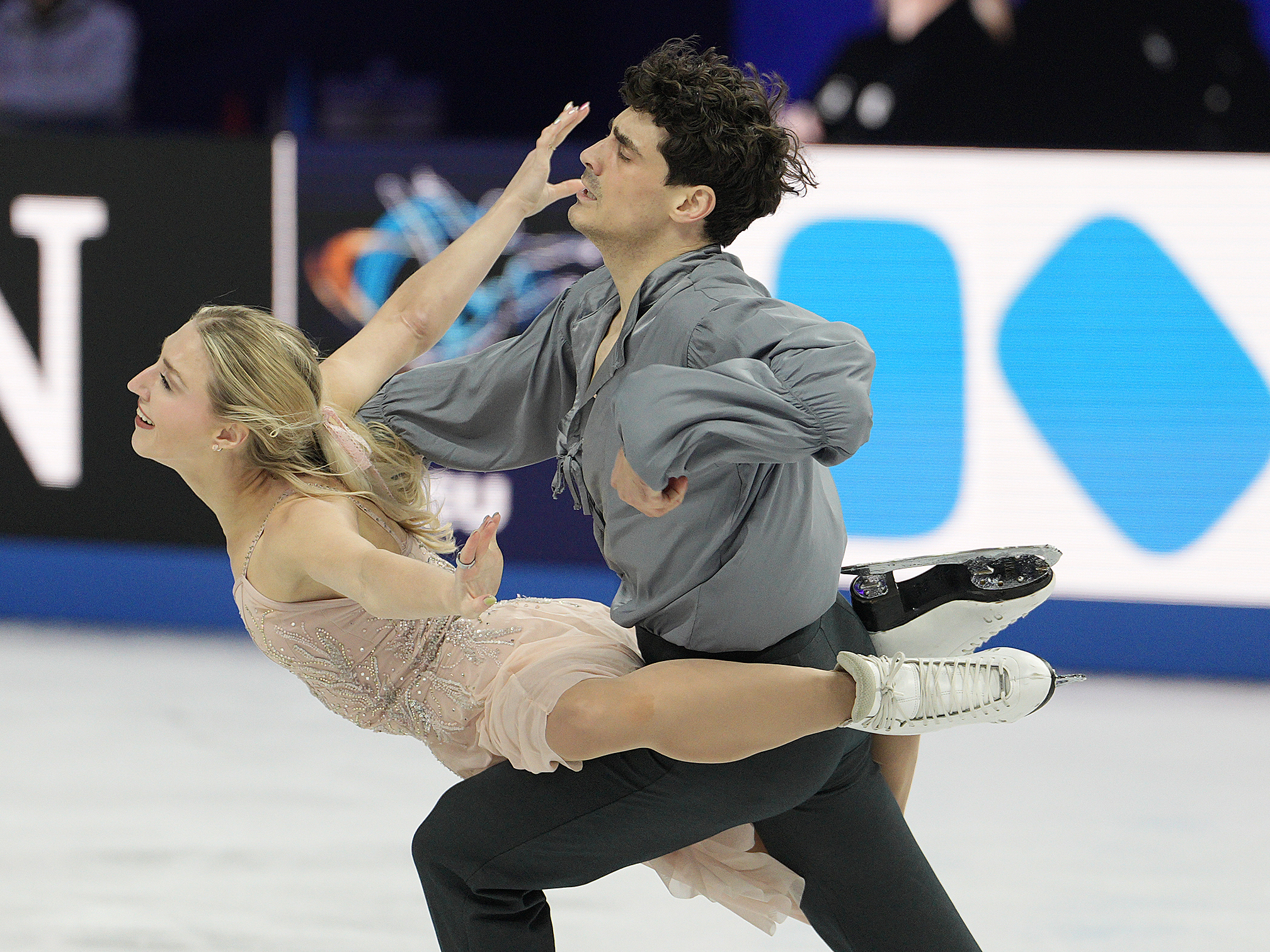
“We thought it’d be fun and it would be exciting to just show up and have a different programme,” Poirier said. “I think we’ve always enjoyed doing unexpected things. It’s how we approach a lot of ideas and choreography and so this decision was no different.”
At Worlds, they posted a season best score in the rhythm dance to sit in second place going into the free dance. Although they placed third in the free, they did enough overall to hold onto the silver medal.
“The programme was a lot more challenging than we hoped it would be,” Gilles said. “We started off a little shaky and it felt like the first time we were competing it. Which it was. Eventually we allowed ourselves to settle into the programme and got into it. In the moment when we finished, what an honour it was to be able to skate in front of thousands of people. I think Prague was such a great reminder of how special these moments are.”
Fifteen years after they first teamed up, Gilles and Poirier believe the key to their longevity has been about pushing themselves out of their own comfort zone and expanding the boundaries of the sport together with their coaches.
“I think our commitment to the process, all the time continuously choosing to stretch ourselves, figuring out how we can do things better and commit ourselves to growing into being the right partner for the other person,” Poirier said. “It’s not something you just are automatically. It’s something you have to keep choosing every day and keep giving attention to all the time. I think that part of the process we really put a lot of care and attention into and that really carried us through the more challenging parts of skating. More than anything, that’s the biggest factor. Secondly, just having a great team that we trust, Carol and Juris (Razgulajevs), who have created pretty much all of our iconic programmes. They’ve always allowed us to skate for ourselves and they chose to nurture that instead of trying to make us fit someone else’s mould. We’re very grateful to have had their guidance.”
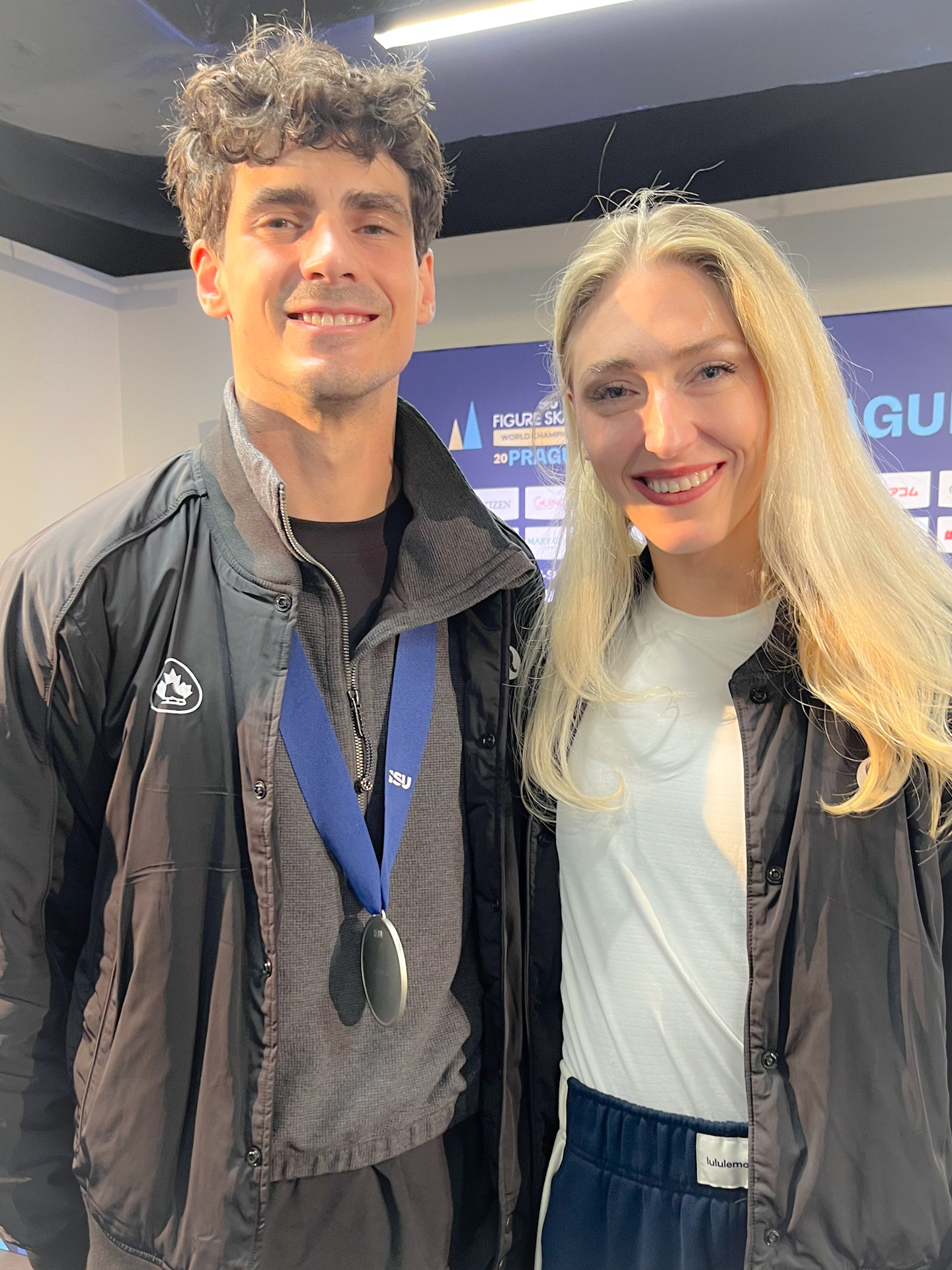
As they press pause and look back on what they have accomplished during their competitive career, Gilles and Poirier ultimately feel grateful and hope that the road they have paved through their skating can inspire future generations.
“Thank you for allowing us to be our true selves and not judgmental,” Gilles said. “Growing up we have people that we look up to, but in a way I don’t want athletes to look up to us. I want them to know that they can create their own path and not mimic what people have created. What makes people great is truly bringing themselves. Allowing us to be so open and vulnerable with people has made us unique and different. I hope that resonates with a lot of people and the next generation of athletes that are coming up.”
(A version of this article features in the Japanese magazine “Figure Skate Life: Volume 38”)

